
-
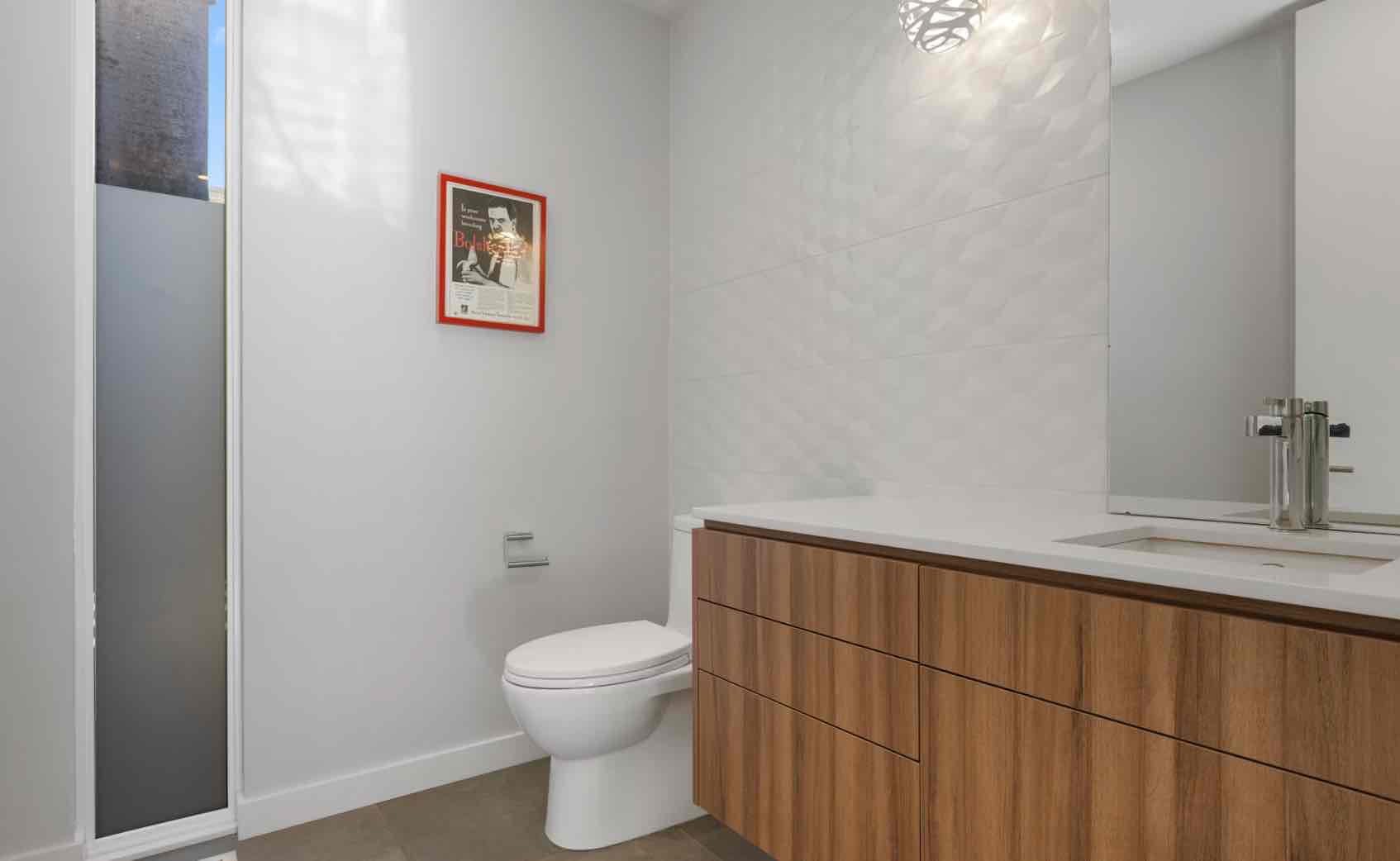 A toilet that whistles or vibrates after flushing is almost always caused by a worn fill valve. As the rubber diaphragm or seal inside the valve hardens with age, water forced through the narrowed opening
 -
 The water level in your toilet bowl drops between uses because of a broken toilet seal (wax ring), a partial clog in the trapway, a cracked porcelain bowl, a faulty fill valve, a blocked vent
 -
 Table of Contents Key Takeaways The Short Answer Why Tree Roots Target Sewer Lines The 8 Warning Signs of Root Intrusion Root Intrusion vs. Other Clog Types: How to Tell the Difference The Timeline: How
 -
 Table of Contents Key Takeaways The Short Answer How Your Home’s Drain System Actually Works The 6 Most Common Causes Why the Bathtub? (And Not the Sink) What to Do Right Now What NOT to
 -
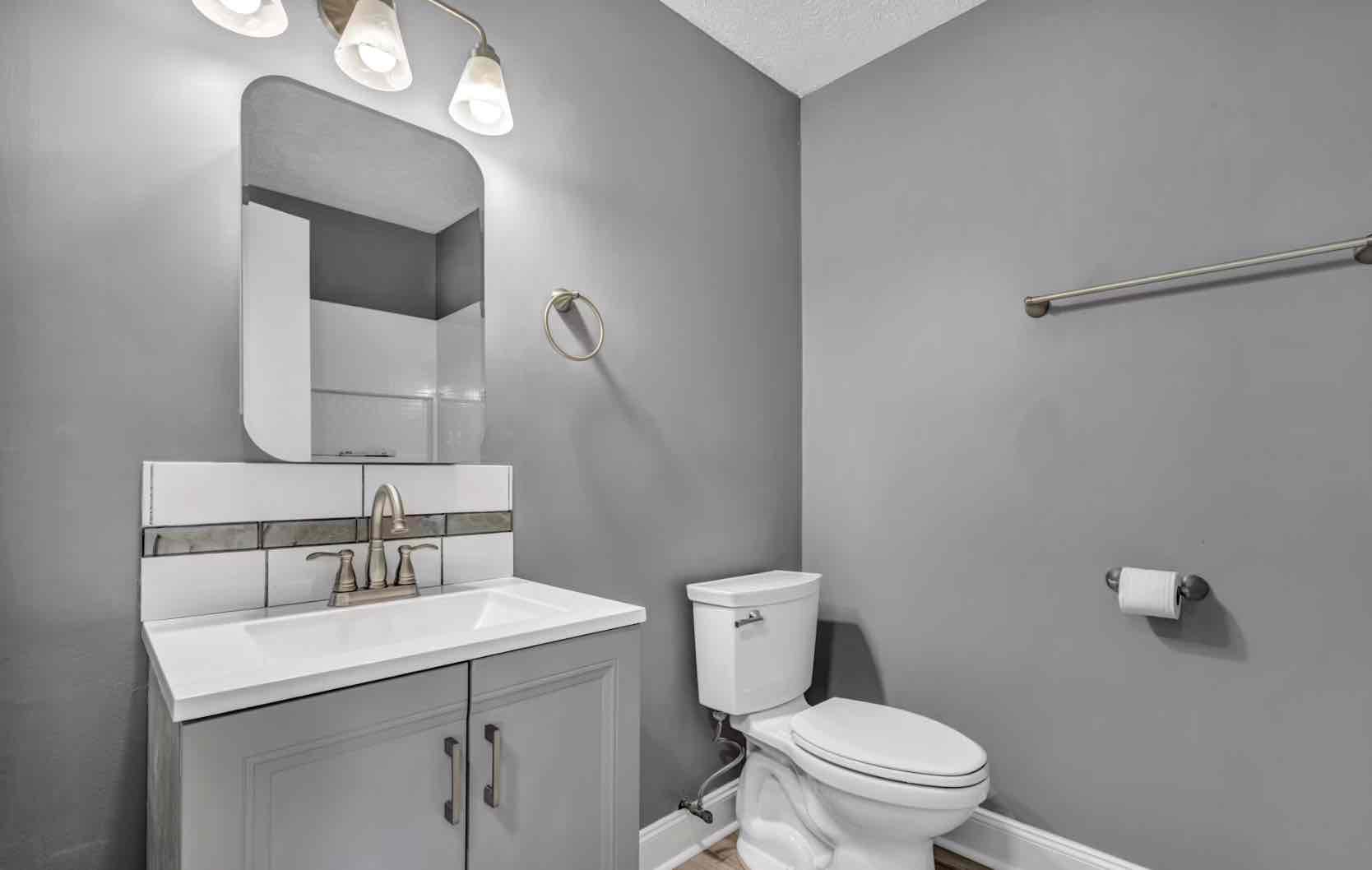 Table of Contents Key Takeaways The Short Answer 7 Reasons Your Bathroom Floor Has a Warm Spot How to Tell If It’s a Hot Water Slab Leak Warm Spot vs. Hot Spot: What the Temperature
 -
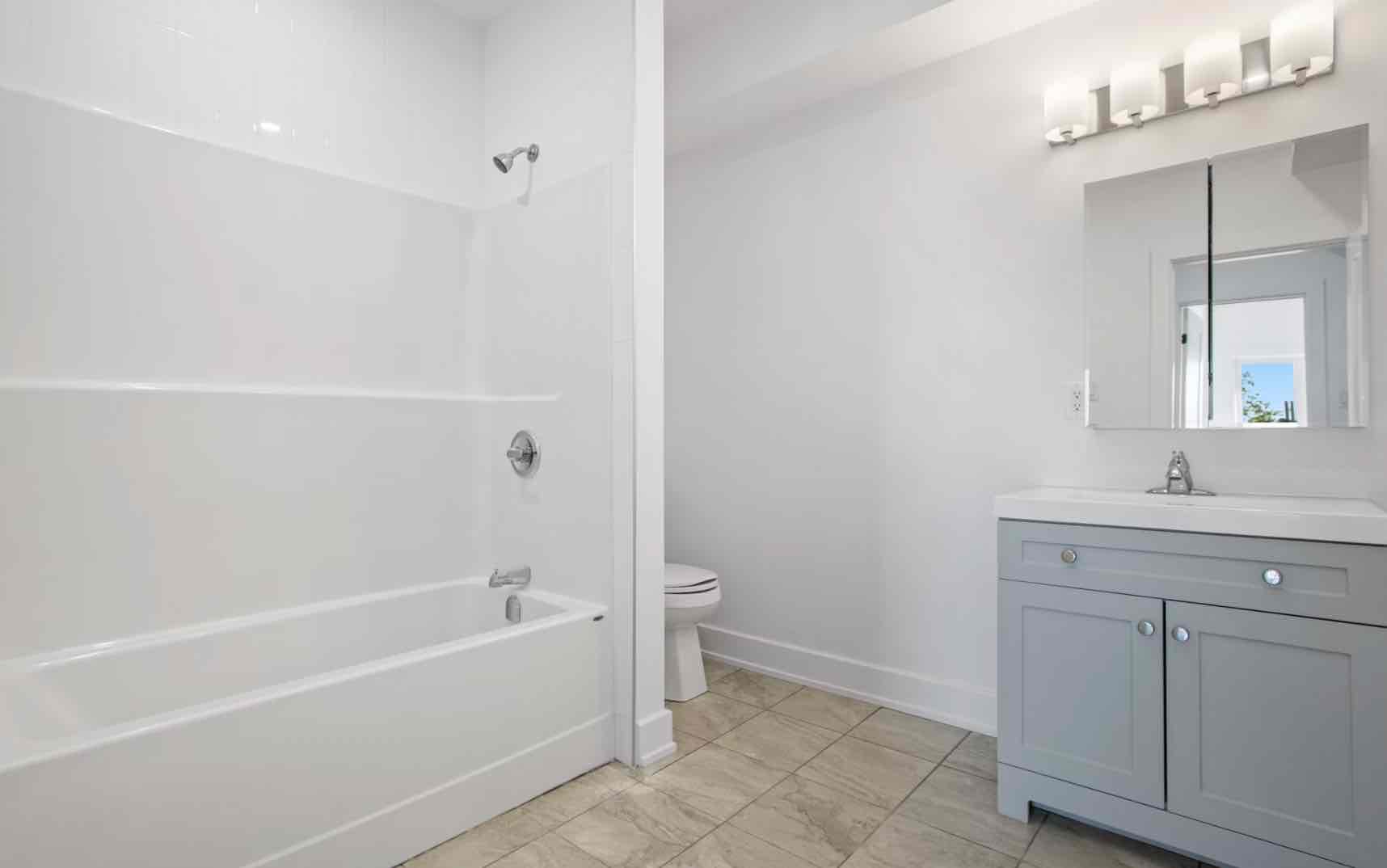 Table of Contents Key Takeaways What Is a Slab Leak? The 9 Most Common Signs of a Slab Leak How to Perform a Simple Slab Leak Test at Home What Causes Slab Leaks in Long
 -
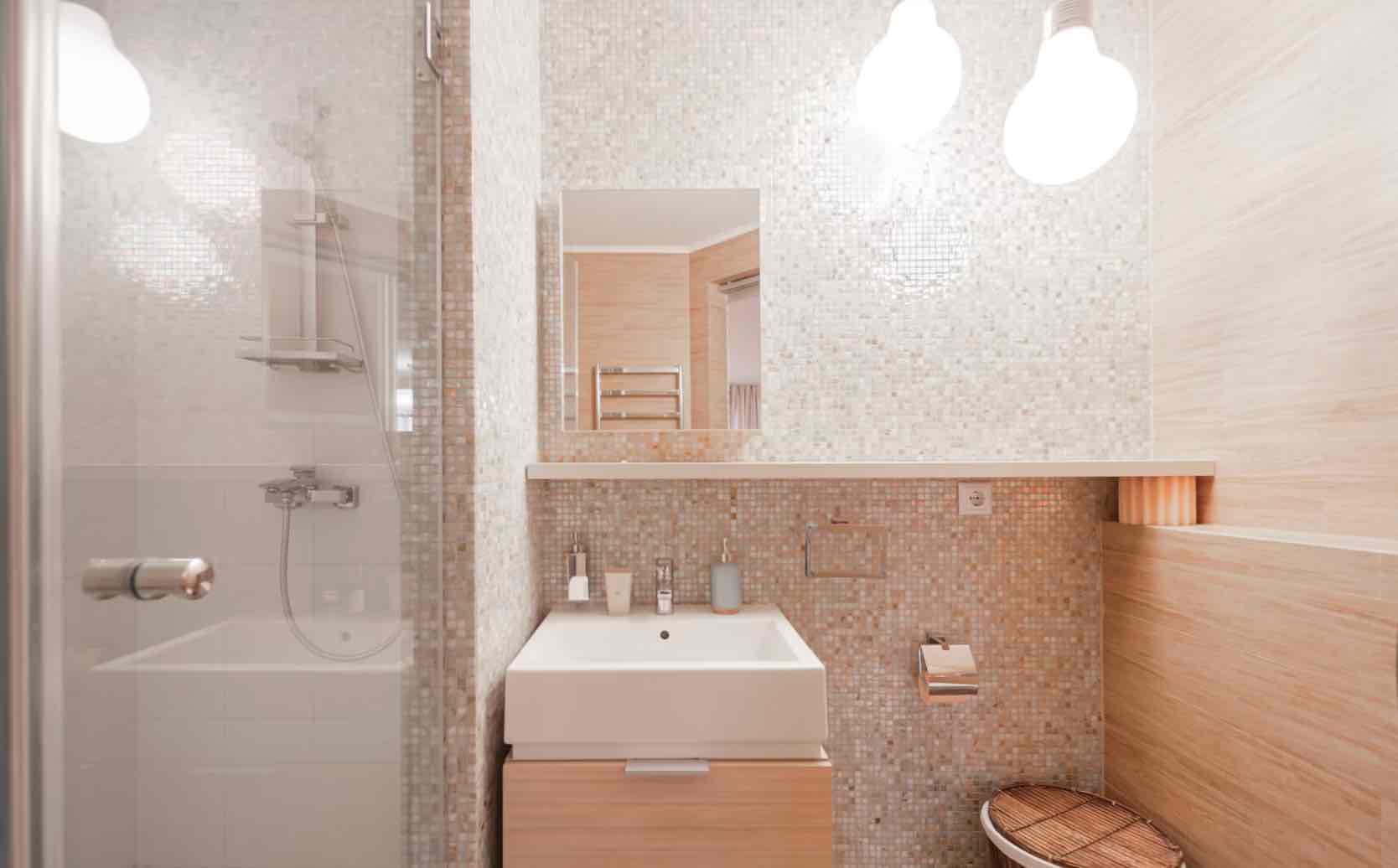 Lukewarm water and short hot water supply are usually caused by sediment buildup in the tank, a failed heating element or dip tube, a thermostat set too low, a cross-connected mixing valve, or a tank
 -
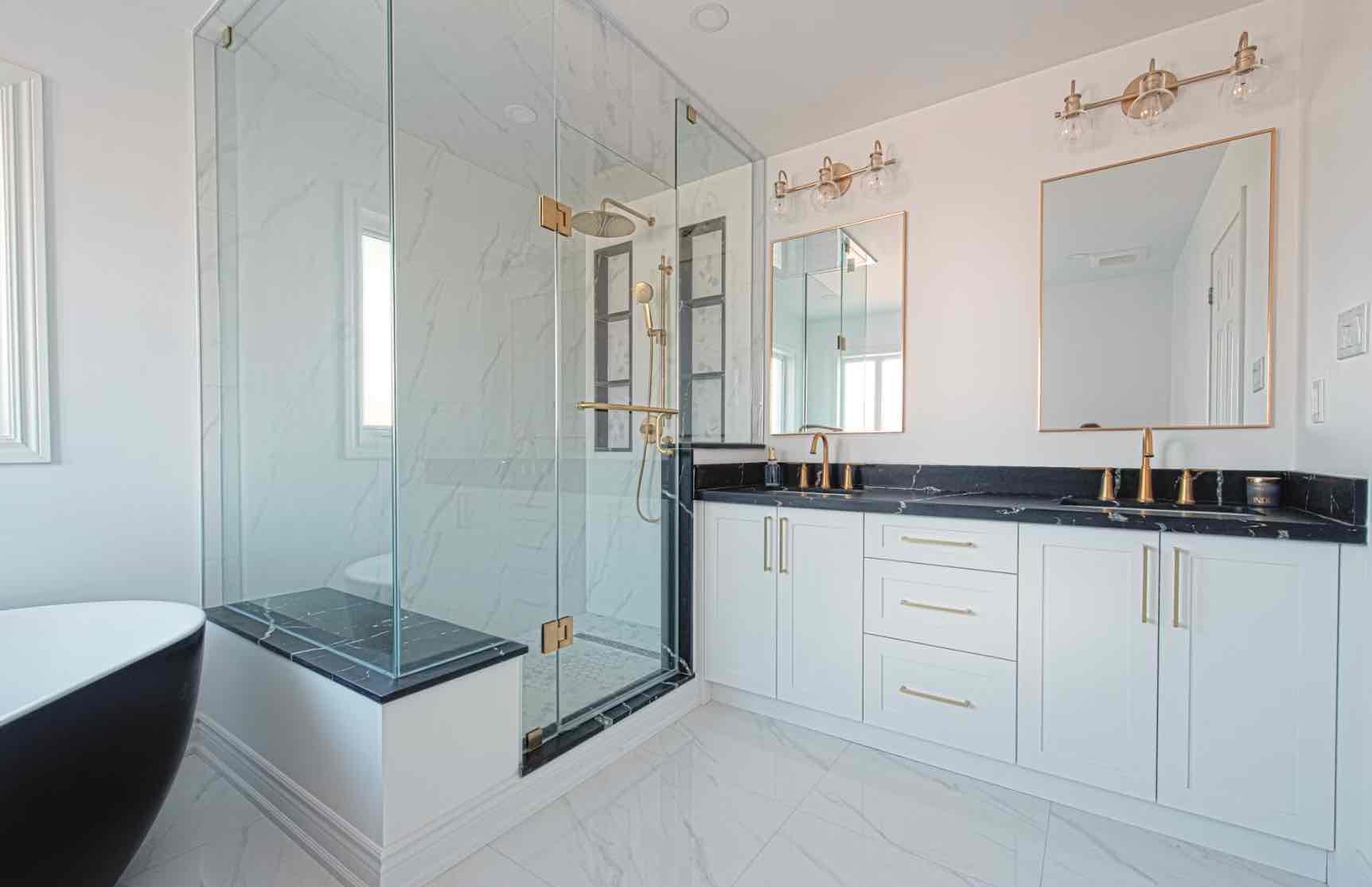 Whole-house low water pressure is usually caused by a failing pressure regulator, a partially closed main shutoff valve, corroded galvanized pipes, a hidden leak, a clogged whole-house filter, or a municipal supply issue. If every
 -
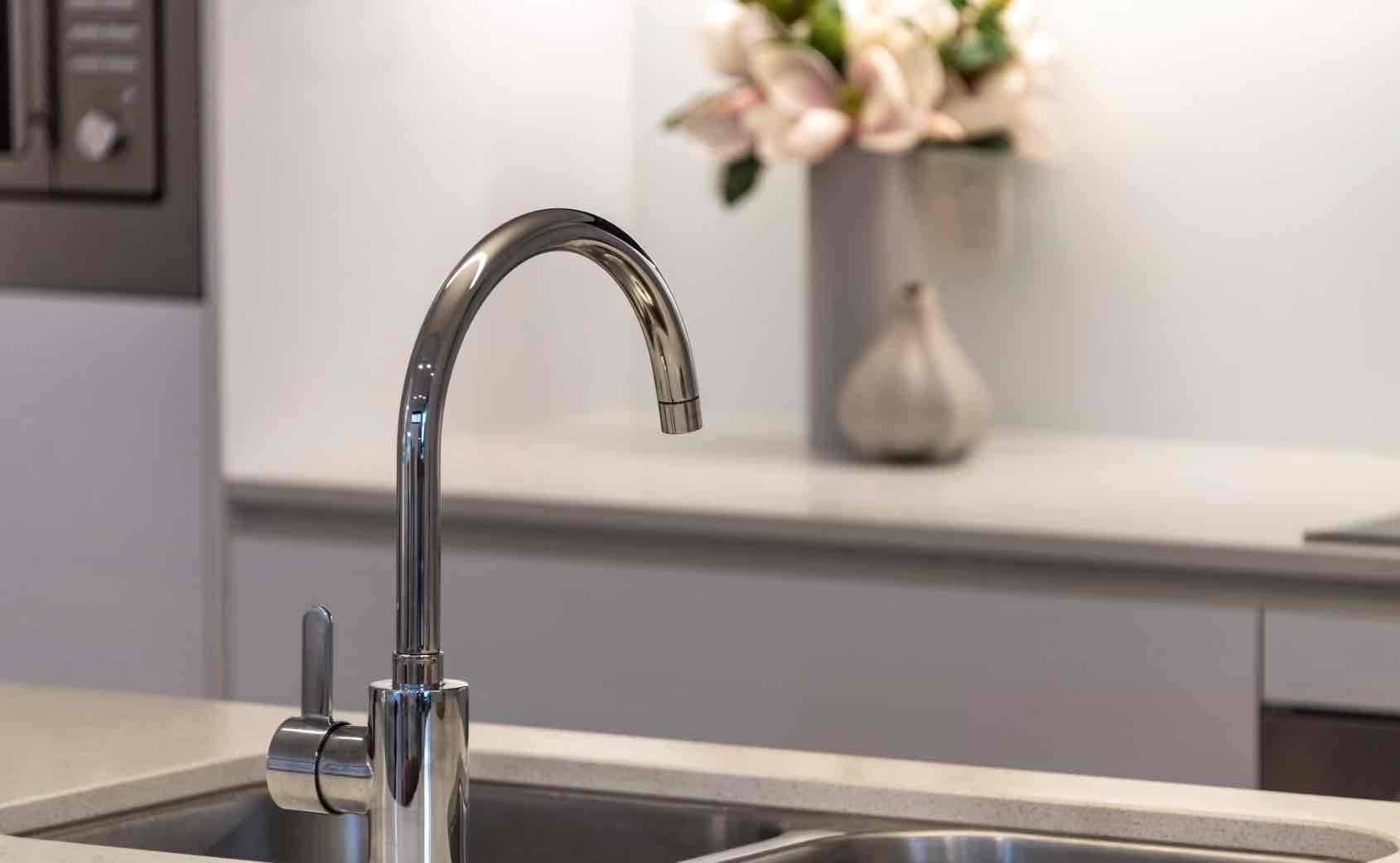 When a single faucet has low pressure while the rest of the house is fine, the problem is almost always inside that fixture — not in your main water supply. The three most common causes
 -
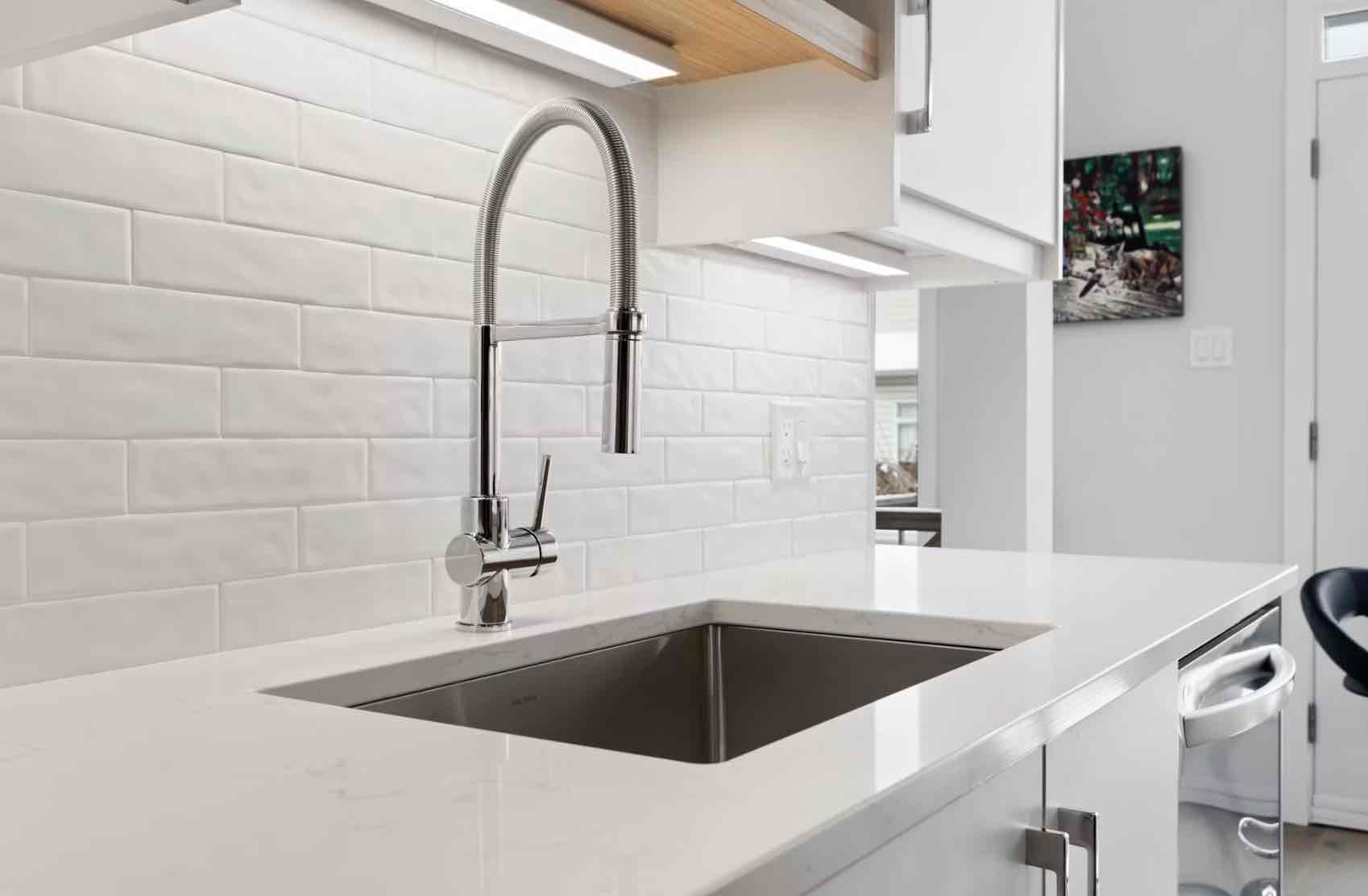 That chalky white crust on your faucets, showerhead, and appliances is limescale — mineral deposits left behind when hard water evaporates. It is made mostly of calcium carbonate and magnesium, and it signals that your
 -
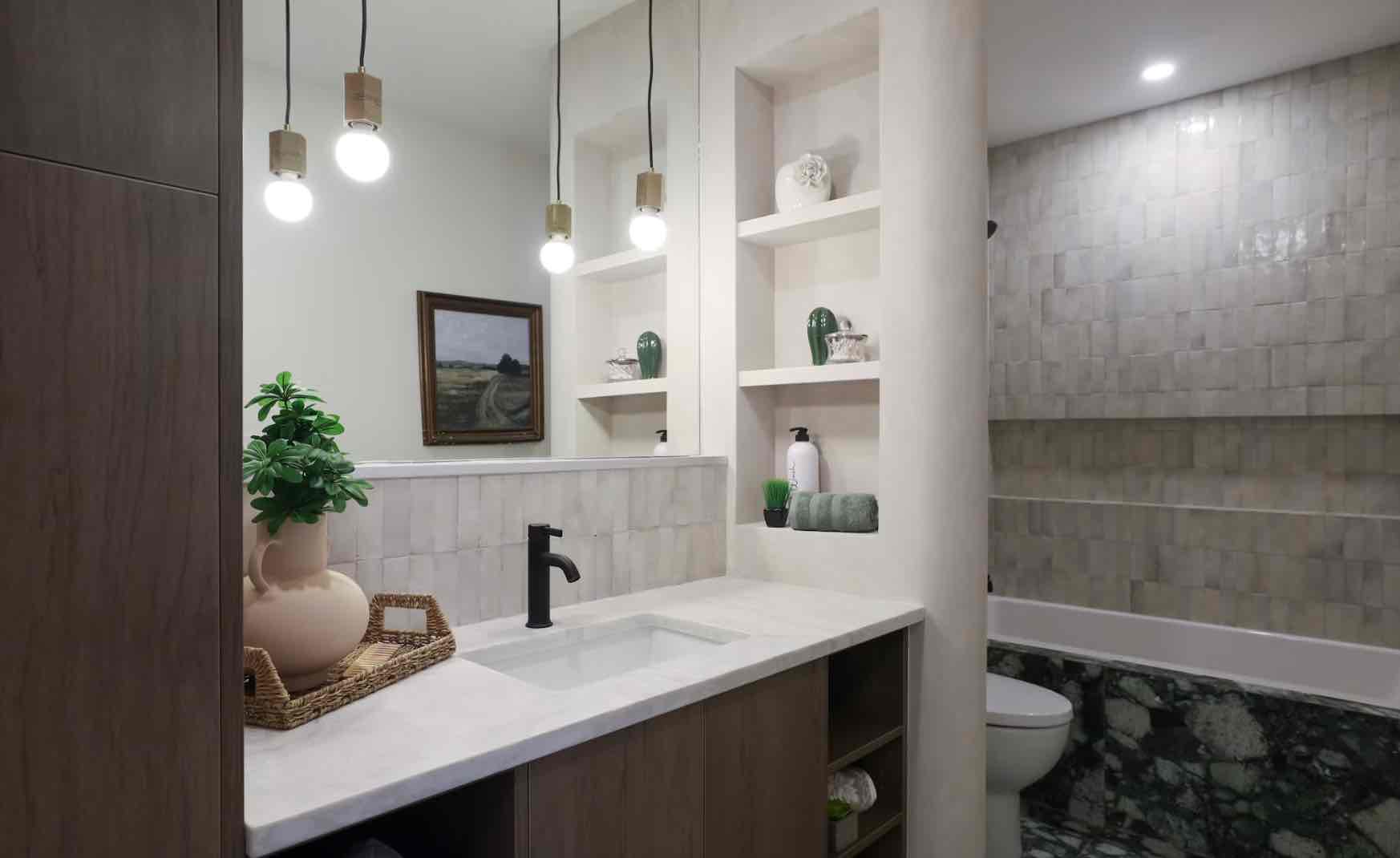 Key Takeaways A sewer smell without a backup almost always means sewer gas is escaping through a gap in your plumbing’s defenses — not that waste is coming back up. The most common cause is a
 -
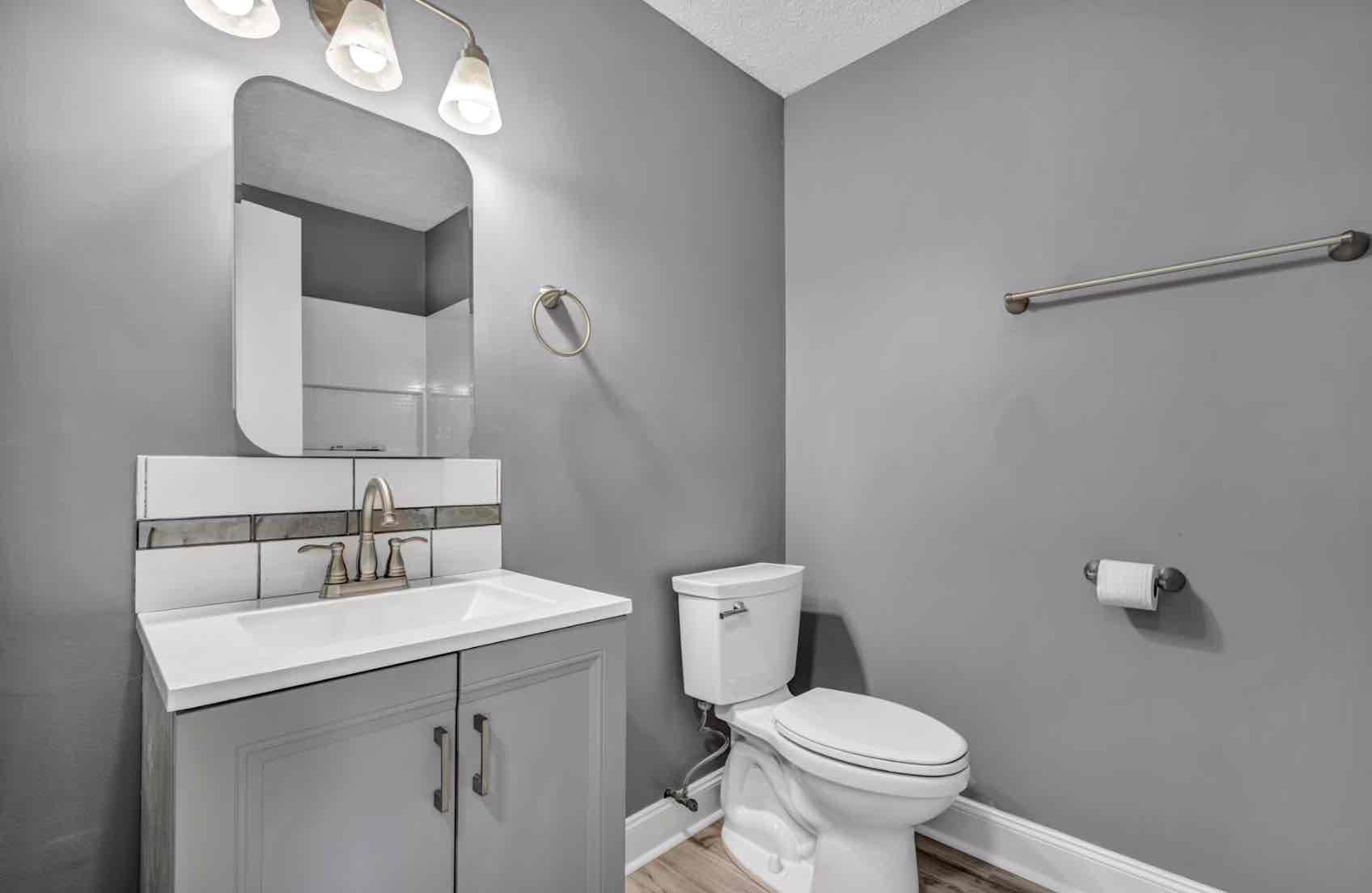 Key Takeaways Standpipe overflow almost always signals a partial drain blockage, not a problem with your washing machine itself. Modern high-efficiency washers pump 15–20 gallons per minute, which can overwhelm older or undersized drain lines.
 -
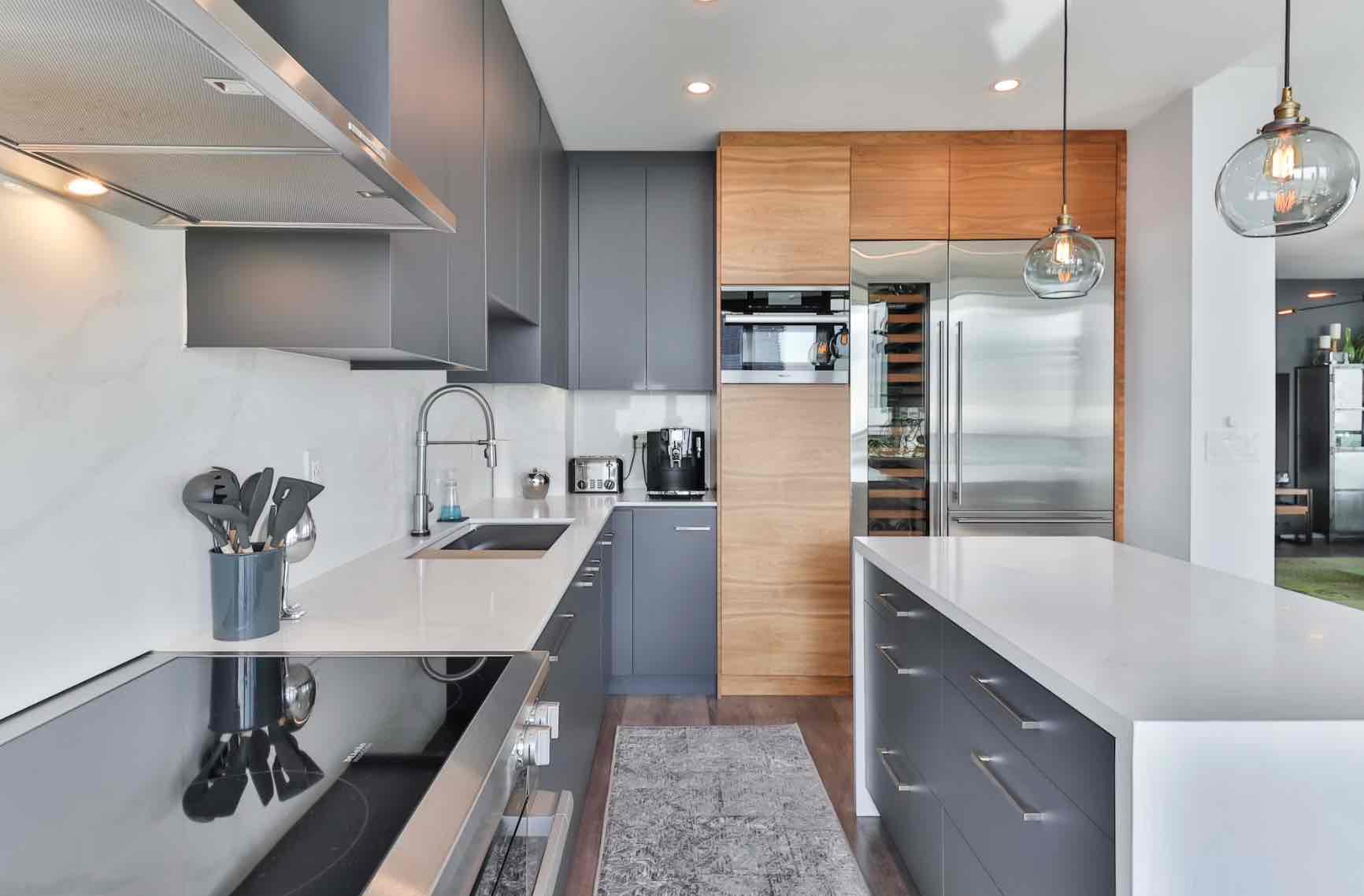 When hot water pressure is weak but cold water runs strong, the problem is isolated to the hot water side of your plumbing — most often sediment buildup inside the water heater, a partially closed
 -
 A gurgling kitchen sink after the dishwasher drains is almost always caused by trapped air struggling to escape through your drain line. The most common culprits are a blocked or missing air gap, a clogged
 -
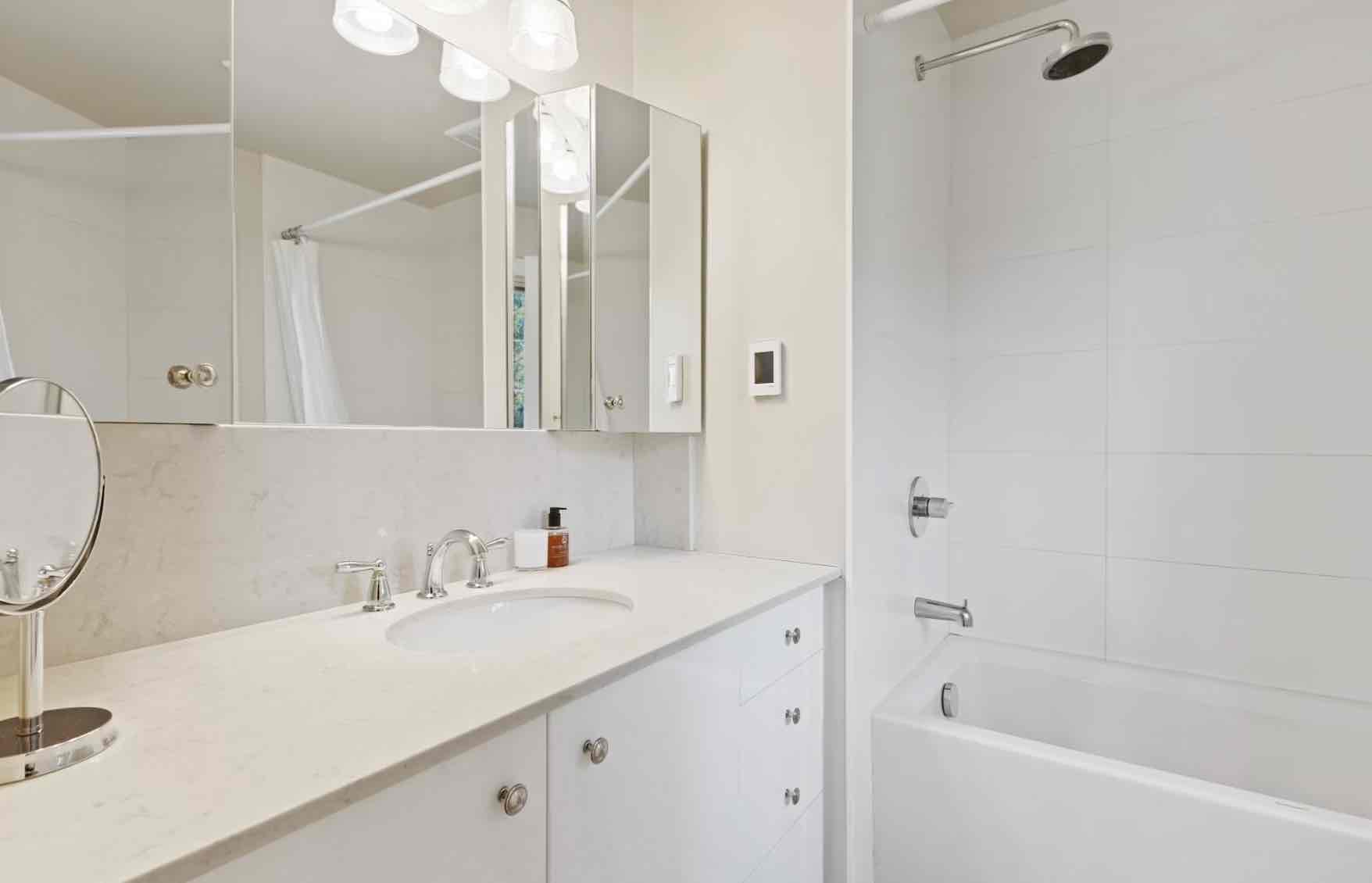 That chalky white crust is limescale — hardened deposits of calcium carbonate and magnesium left behind when hard water evaporates. It is not mold, soap residue, or a sign your water is unsafe. Limescale forms